As a business owner, it’s natural to incur various expenses in the day-to-day running of your operations — from fuelling your vehicle to entertaining clients and purchasing office supplies such as printer toner.
But the important question is: Are these expenses tax-deductible?
The Australian Taxation Office (ATO) recently published examples of inappropriate claims made by taxpayers attempting to pass off personal costs as business expenses. These included:
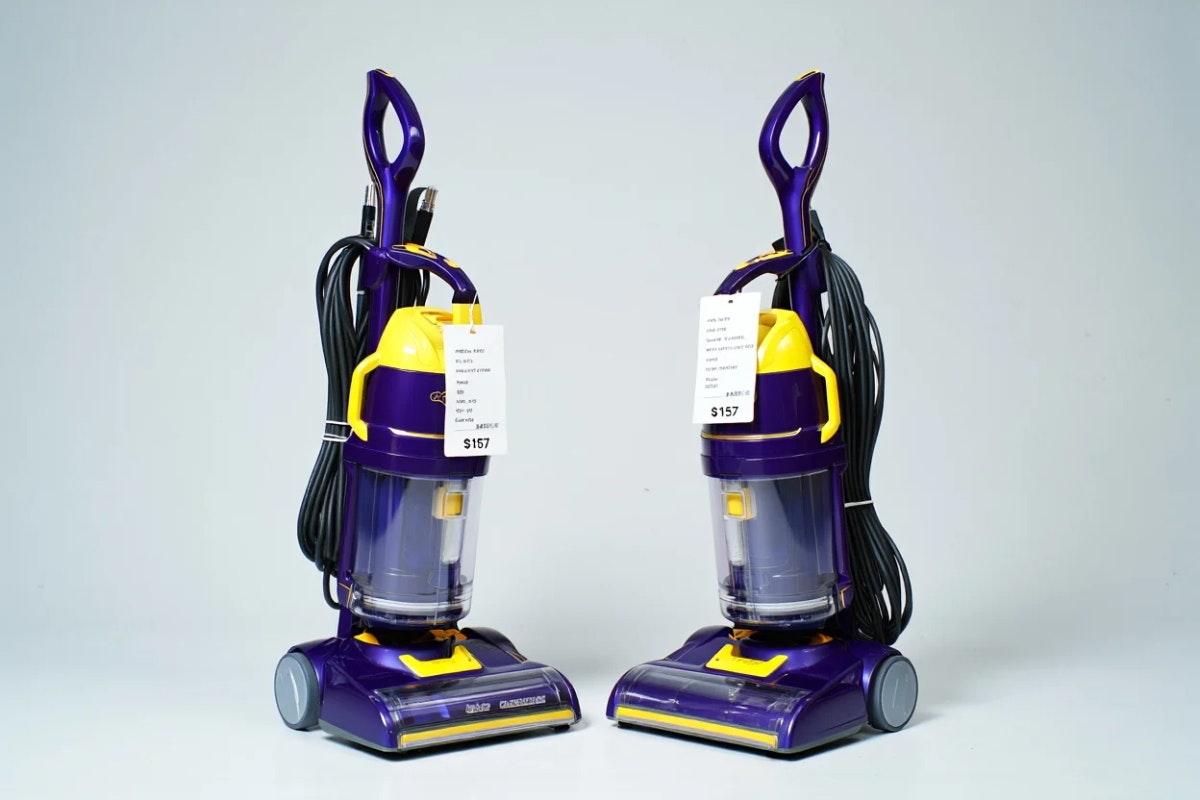
- A mechanic who attempted to claim an air fryer, microwave, two vacuum cleaners, a television, and gaming equipment as work-related — all of which were denied on the basis that they were private in nature.
- A truck driver who tried to deduct the cost of swimwear, arguing it was required during stopovers in hot weather — the claim was rejected as a personal expense.
- A fashion industry manager who sought deductions exceeding $10,000 for high-end clothing and accessories worn at events, dinners, and work functions — denied as the clothing was considered conventional and not occupation-specific.
Unsurprisingly, these claims were not accepted by the ATO.
What expenses can be claimed:
To be deductible, an expense must be directly related to earning your business’s assessable income. Generally, this includes ordinary operating expenses, certain purchases of products and services for business purposes, and specific capital expenditures, such as depreciable assets.
The ATO outlines three fundamental rules for deductibility:
- The expense must be incurred for the purpose of running your business — not for personal use.
- Where an expense is partly for private use, only the business-related portion may be claimed.
- You must keep accurate and complete records to substantiate the deduction.
As a general guideline, any expense with a personal component is likely to be disallowed for tax deduction purposes.
Examples of non-deductible expenses:
- Entertainment costs, unless provided as a reportable fringe benefit.
- Fines and penalties, including those incurred while travelling for business purposes.
- Private expenses such as household costs, childcare, or personal clothing.
- Costs associated with generating income that is not assessable.
- Payments that do not meet PAYG withholding or reporting requirements.
- The GST component of purchases where a GST credit has already been claimed on your BAS.
If you’re unsure whether an expense qualifies as a deductible business cost, it’s best to seek professional guidance. Our team can help assess your business expenditure, ensure compliance with ATO requirements, and support you in maximising legitimate tax deductions to ease pressure on your cash flow.